
How Often Should You Wash Your Hair?

|
Have you ever wondered how often you should wash your hair?
Apparently, millions of people are looking for the answer to this question - it pops up on the first page of Google when typing ‘how often should I’, mixed in with questions about cleaning garbage disposals and pooping. Interesting.
|
So, how often should you wash your hair?
|
Well, why do you wash your hair? The most common answer: it gets greasy.
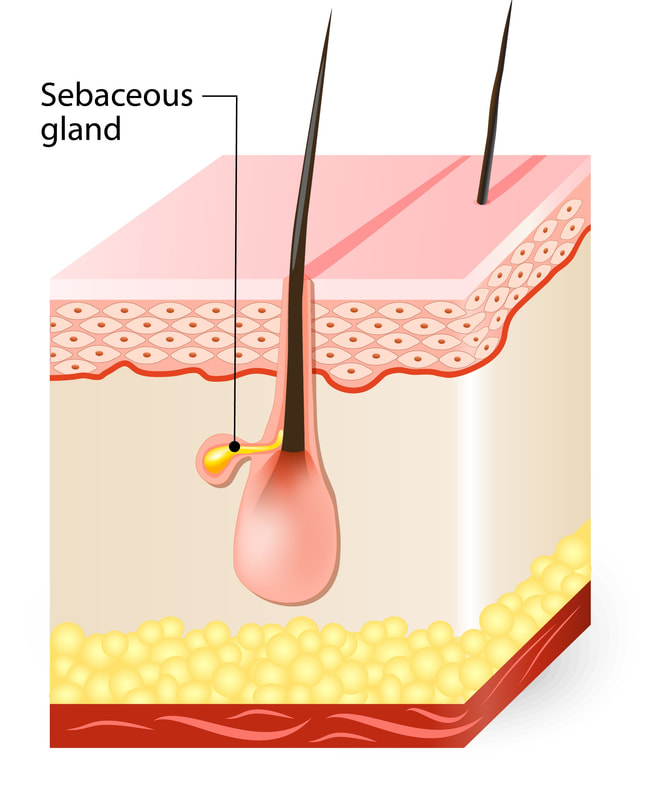
Your hair gets greasy for the same reason your face gets oily, you have glands that produce something called sebum to protect your scalp, skin and hair. These are your sebaceous glands and they are located next to your hair roots in the layer of skin called the dermis.
|
|
Genetics, hormones, diet, and general health are just a few factors that can affect how much sebum you produce at any given time. During puberty, the hormone dihydrotestosterone, or DHT, triggers sebaceous glands to produce excessive sebum, which is why so many of us have extra greasy hair and acne during those awesome years.
But even if you have excessive natural sebum production, washing your hair often may not be the answer. Dermatologist and director of Boston Medical Center's hair clinic Lynne Goldberg told Business Insider, "It's paradoxical, but people who wash their hair a lot to get rid of oil are drying out their scalp and producing more oil."
|
The Science Behind Shampoo
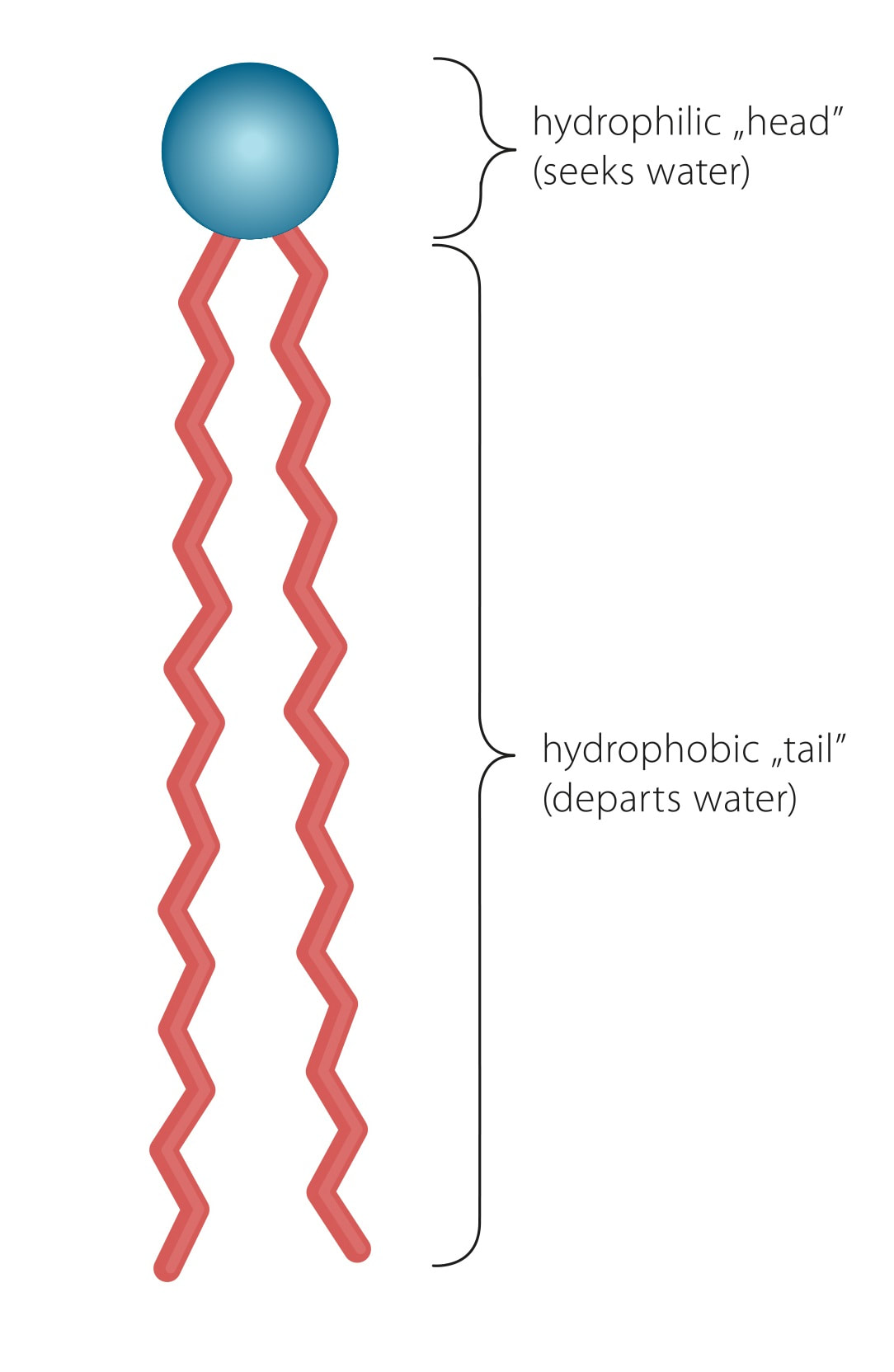
The ingredients in shampoo responsible for cleaning and lathering are called surfactants, short for "surface-active agents." Take a peek at the back of your shampoo bottle - common surfactants are SODIUM LAURYL SULFOACETATE, TRIDECETH-12, and C11-15 PARETH-7. Surfactant molecules are long chains of atoms - one end is attracted to water (hydrophilic) and the other end is repelled by water (hydrophobic). The hydrophobic end connects itself to your sebum while the hydrophilic end remains anchored in water. As you rinse your hair, the sebum is washed away and when you regularly remove your protective sebum, your body is prompted to replace it; your sebaceous glands are activated.
|
There is a theory that you can actually train your glands to produce less oil. The concept is the body understands there is an ideal equilibrium of oil, and it will work to attain this balance. So, more washing means more oil, and less washing means less oil.
It turns out the answer to how often you should wash your hair is different for everyone but most dermatologists and hair stylists will tell you - no one should be washing their hair every day.
When trying to determine the right amount of washing for you, there are a few factors to keep in mind:
- Your hair texture: Texture matters because it affects how quickly sebum works its way from your roots to the ends of your hair. Coarse or curly hair has more natural obstacles and slows down your sebum. If you have hair like this you may only need to shampoo once a week. If your hair is fine and straight you may want to shampoo two or three times a week.
- How you chemically treat your hair: If your hair is damaged from coloring or texturizing processes, you should wash it less and focus more on nourishing treatments to rejuvenate your scalp and hair.
- Your skin type: If you are prone to acne (especially around the hairline), you may want to shampoo your hair every other day. If you tend to be dry, try every third or fourth day, or even once a week.
It may be hard to change your routine at first, but give it a little time. Take notice of things like less itching and flaking on your scalp, healthier and thicker feeling hair, and style manageability. You may also be surprised at how much extra time you’ll have when you’re not washing and styling your hair as often!
Pro tip: Try dry shampoo in between washes to give your hair a cleaner, fresher appearance. To learn more about dry shampoo check out How Does Dry Shampoo Work?
At Vantage Salon we take pride in providing our community with professional recommendations on products and tools to support healthy hair practices. We receive a small commission on the items we recommend. Your support encourages us to continue to expand our education and build on our mission to provide relevant content and services to our valued guests and followers.
